

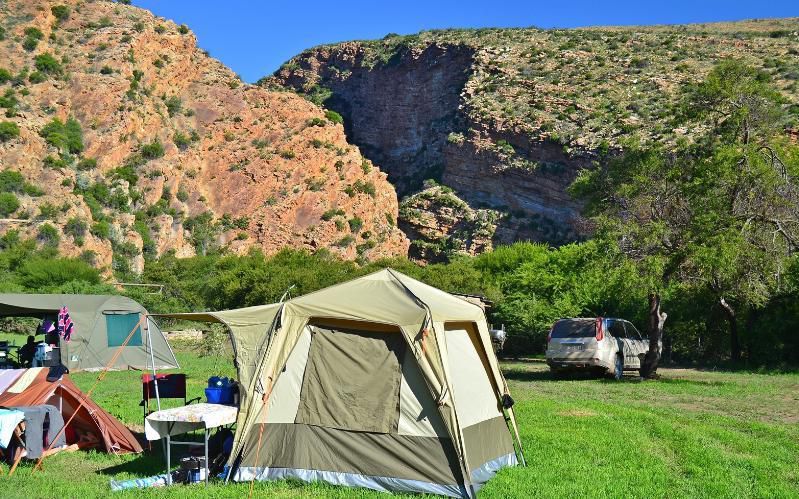
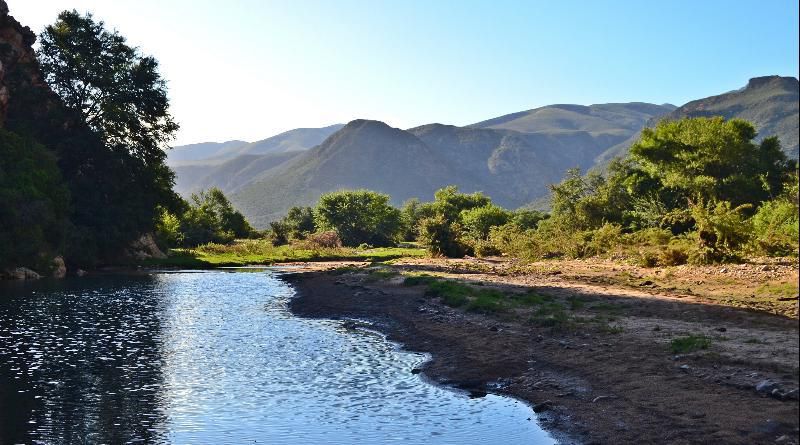
The Baviaanskloof is one of those special areas in the South African landscape: remote, scenic, diverse, fascinating – and we will never discover all of its’ secrets. We were priviledged to visit this valley for four days and enjoy good weather. Only 9 days before our arrival the Baviaanskloof River became a raging torrent and caused considerable flood damage to farms, property and the main road. It also flooded our campsite at Bo-Kloof and the owners had just enough time to get it dry enough and suitable for use. The area had some good rains during the past few months and the valley was as green as it can be.
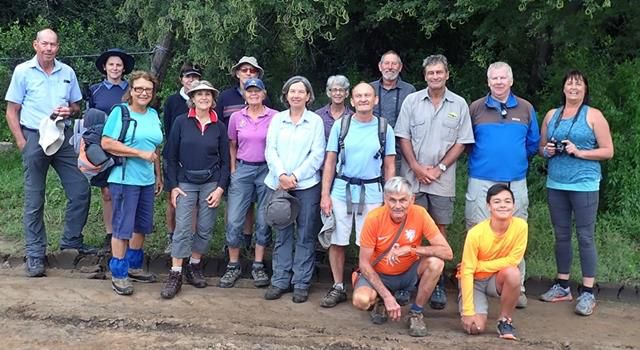
We were 19 people attending the meet: Derek & Jacomi Odendaal, Tony & Evie Bowen, Peter & Susan Pyke, Fred & Nicky van Berkel, Greg Devine, Clive Louw, Karin van Niekerk, Ed & James Kay-Shuttleworth, Werner & Cheryl Frei, Irmela Kohlsdorf, Sanet van Meersbergen, Saartjie van der Merwe. Guest: Linette Swart.
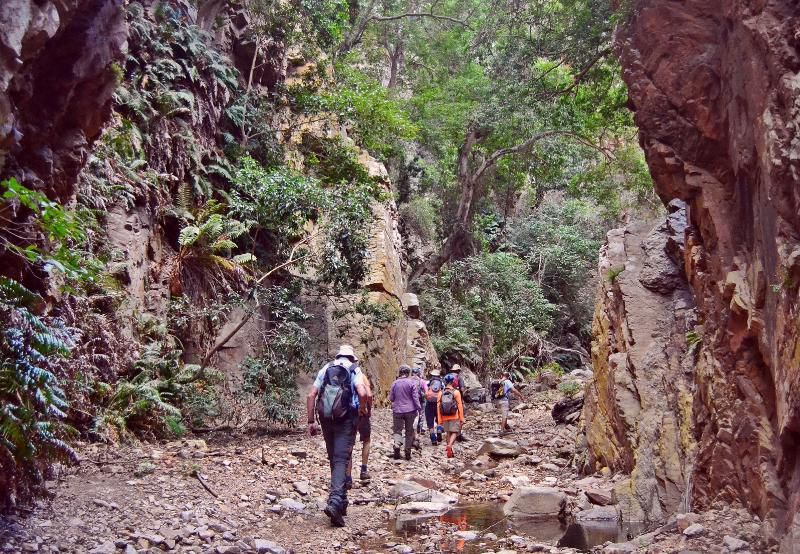
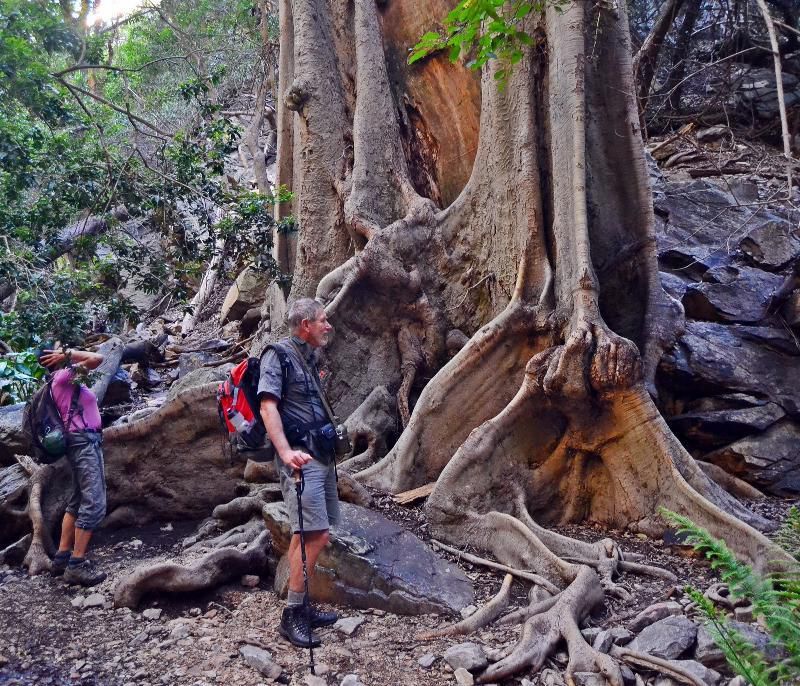
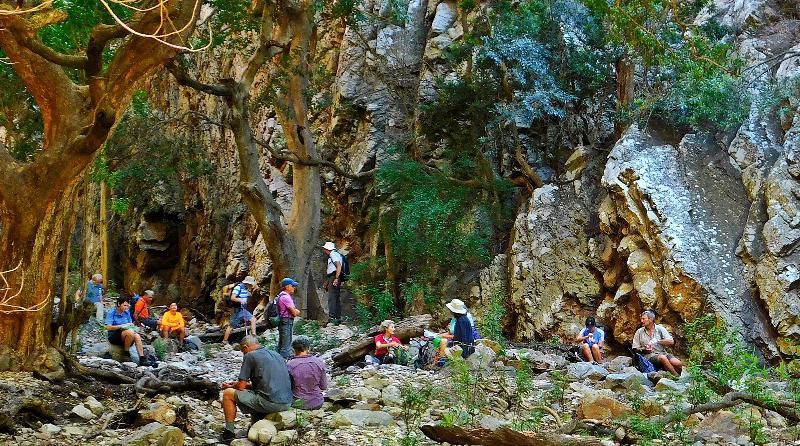
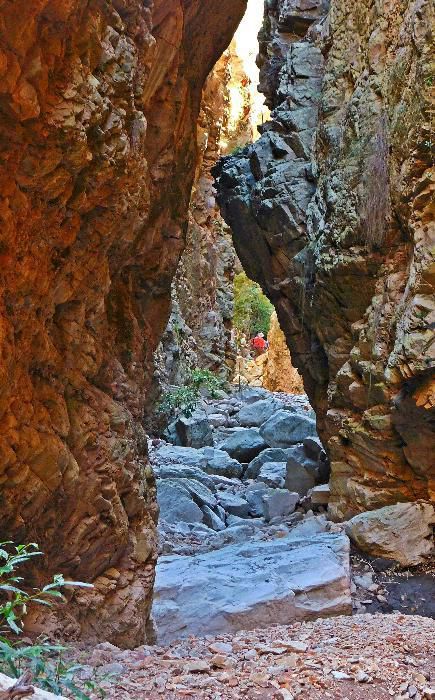
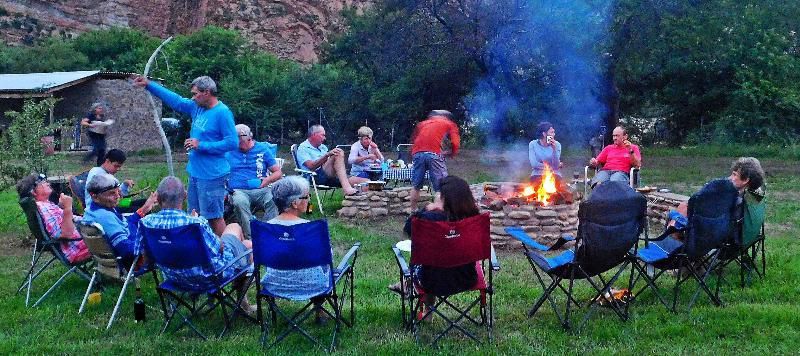
After arriving on the Wednesday afternoon and settling into the camp site, we enjoyed a sociable and “fulfilling” evening around the campfire. On Thursday we exercised our human right to walk in the mountains by exploring two nearby kloofs. Waterkloof is one of the most spectacular ravines in the valley, with towering rock faces, amazing large trees growing on the cool and shaded floor and a long and narrow fissure through the ancient rock.
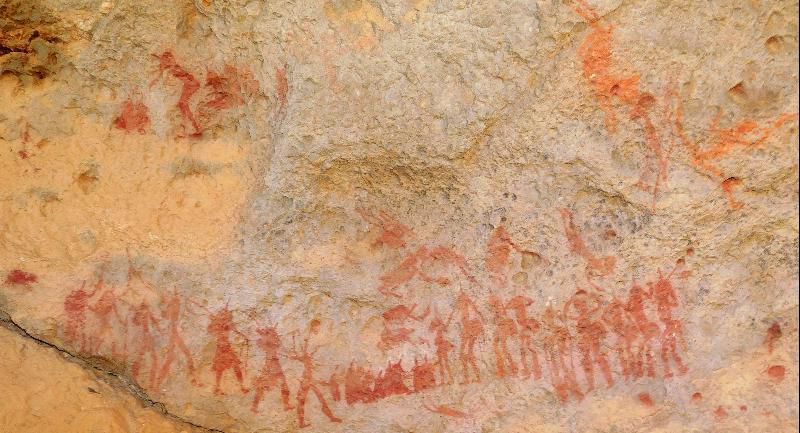
Boesmanskloof is a wider ravine and less remarkable, but also worthwhile to explore. After that, we visited an overhang with very interesting rock art. We were all pleased that the hike ended at the BaviJaans Padstal, where cold drinks and eat ice-cream could be enjoyed, sitting in the shade. On our way home, a few of us also bought some of the delicious honey produced by the bees of our hosts, the Bezuidenhouts.
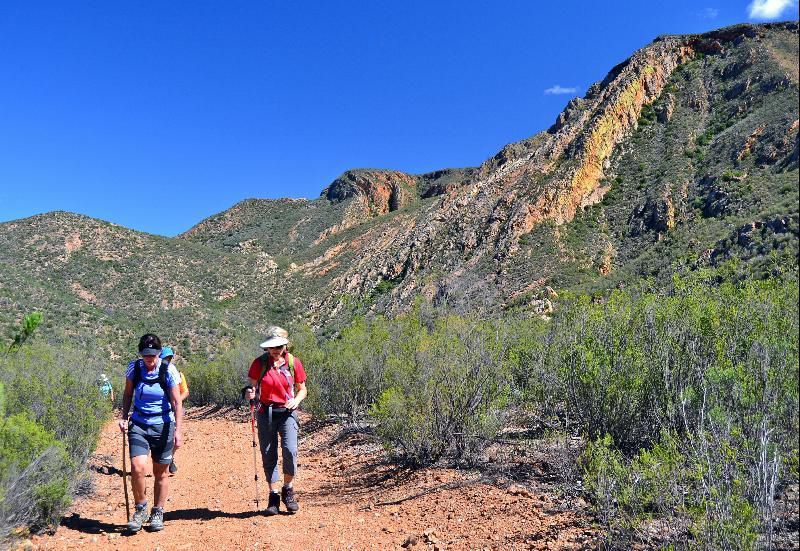
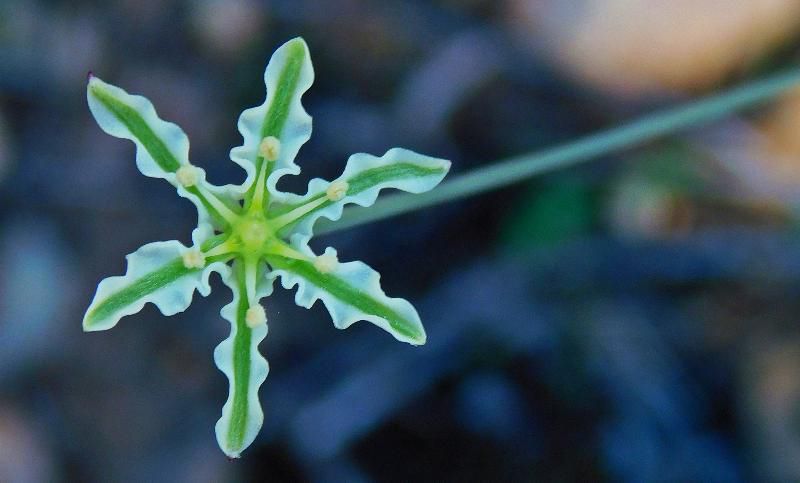
On Friday we drove some distance further east into the valley to get to the higher parts of the Baviaanskloof Mountains. We followed a rough jeep track from near Doringkloof and hiked up almost 800 m to a communication tower at 1242 m asl. A nice variety of fynbos plants and great vistas of the Baviaanskloof and Kouga Mountains made it a worthwhile hike. A few of our group members also explored the close-by Klipspringer Kloof.
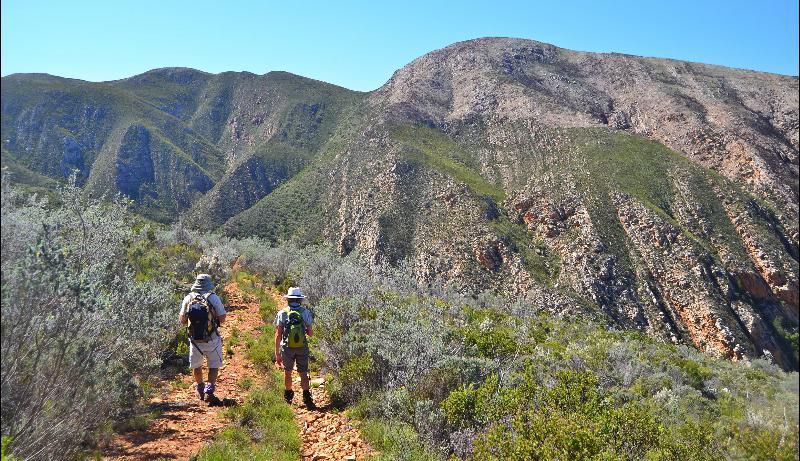

Saturday saw us exploring another deep and dark kloof, not too far from our camp site. Spitskloof also boasts with towering cliffs, huge trees, narrow sections and great scenic beauty. A number of large Willowmore Cedars could be seen growing high up on the cliffs. We also found a fallen cedar in the bottom of the kloof and I broke off a piece of wood for a keepsake. What a nice smell! The afternoon was rather hot and we preferred to stay in the shade at camp until sundown.

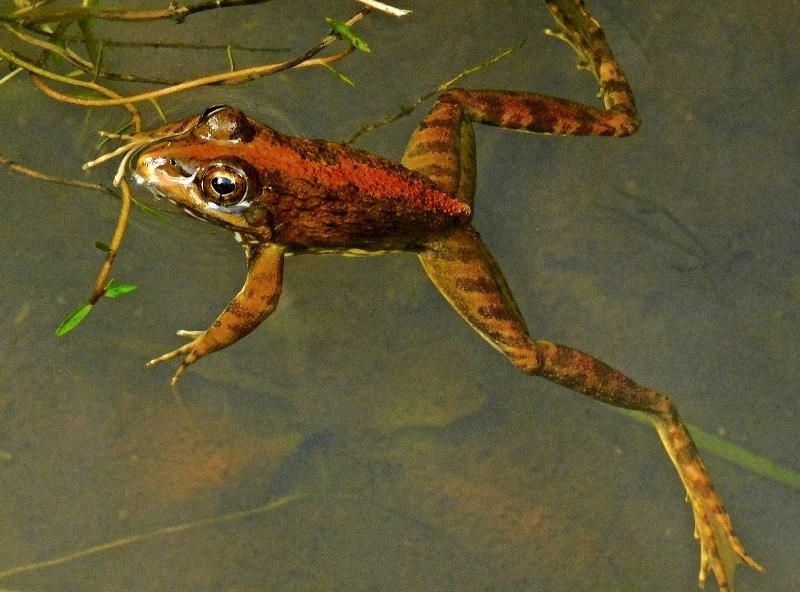
On Sunday morning we packed up rather unwillingly. A few more days in this remote and uncomplicated environment with no phone reception or news from the outside world would have been nice. However, on our way out of the Kloof, close to the Nuwekloof Pass, we had another kloof to explore. Saagkuilskloof is rather different from the others but no less spectacular. It is more open, with wonderful towering rock faces and huge Willowmore Cedars to be seen. And I have never seen so many frogs in and around the small ponds!

I think our Section should visit the Baviaanskloof more often for meets like this. There are many camping sites and other places to stay, and so much more to see and experience. So far we have only scratched the surface of this wonderful valley.
Derek Odendaal – meet leader